
Affiliate Marketing for Beginners: How to Start Fast
Affiliate marketing is one of the simplest ways to earn commission online, but you start by recommending products or services through a tracked link, then getting paid when someone buys. It can work for beginners, yet it's not instant money, and the first real steps are choosing a niche, picking a platform, joining the right programs, and publishing helpful content.
You can begin with a website, a YouTube channel, Instagram, or an email list, depending on where you already feel comfortable. If you want a free walkthrough, the free affiliate marketing full course on GalaxyonKnowledge is a solid place to start, and it's free for everyone.
Start with a niche that can actually make money
A profitable niche makes affiliate marketing easier from the start. You want topics where people are already searching with their wallets open, because traffic alone does not pay bills. The best beginner niches usually have clear products, active brands, and plenty of content that helps buyers compare options before they buy.

If you want extra guidance while you choose, the free affiliate marketing full course on the GalaxyonKnowledge YouTube channel is free for everyone and gives you a solid starting point.
How to spot a niche with strong buyer intent
Buyer intent shows up in the search terms people use. If you see searches like "best", "review", "vs", "discount", or "coupon", that usually means people are close to buying. That is the sweet spot for affiliate content, because readers are not just browsing, they are comparing options.
Look for these signs:
- Product searches: Terms like "best running shoes for flat feet" or "top email marketing tools" signal purchase research.
- Comparison searches: Queries with "X vs Y" show people narrowing down choices.
- Review content: If the first page is filled with reviews, roundups, and buying guides, the niche has commercial value.
- Active brands: Strong niches have companies advertising, publishing content, and launching new offers.
A quick check on Google is often enough. Search the topic and see whether brands, affiliate sites, and product pages dominate the results. If the results are mostly forums or news stories, the niche may not be ready for affiliate content yet. For more on profitable categories, Shopify's affiliate niche guide gives a useful overview.
A niche with buyer intent is easier to monetize than a niche built around curiosity alone.
Examples of beginner-friendly niches and why they work
Some niches work better for beginners because the products are easy to explain and the commissions can be solid. You do not need the biggest audience first, you need an audience that already wants to buy.
Here are a few strong options:
- Software and AI tools: This niche attracts freelancers, creators, and small business owners. Common products include SEO tools, email platforms, course platforms, and AI writing apps. Many programs pay recurring commissions, so one referral can keep earning.
- Personal finance: People search for credit cards, budgeting apps, and investing tools with clear intent. Payouts can be strong because financial products often have high customer value.
- Health and wellness: Supplements, fitness gear, and home wellness products sell well because the audience buys regularly. Commission rates can be attractive, especially for premium brands.
- Online business tools: Hosting, page builders, and email marketing software are good beginner picks. These products are easy to compare, and the audience is already in buying mode.
If you are asking, "Which affiliate pays more?" the answer usually depends on the niche and the offer. High-ticket software and finance offers often pay more per sale, while physical products usually pay less but can convert faster. The best choice is the one that fits your content, your audience, and your ability to explain the product clearly.
For deeper research on high-paying categories, this affiliate niche roundup is a helpful reference.
Choose the right platform for your affiliate content
The best platform is the one you can publish on consistently. If you want long-term search traffic, a website is usually the strongest base. If you want to build trust faster through face-to-face style content, YouTube or social media can get you moving sooner.
There's no single answer to "How do I start affiliate marketing as a beginner?" The right move depends on how you like to create, how much time you have, and whether you want a slow build with durable traffic or a quicker start with more direct engagement.
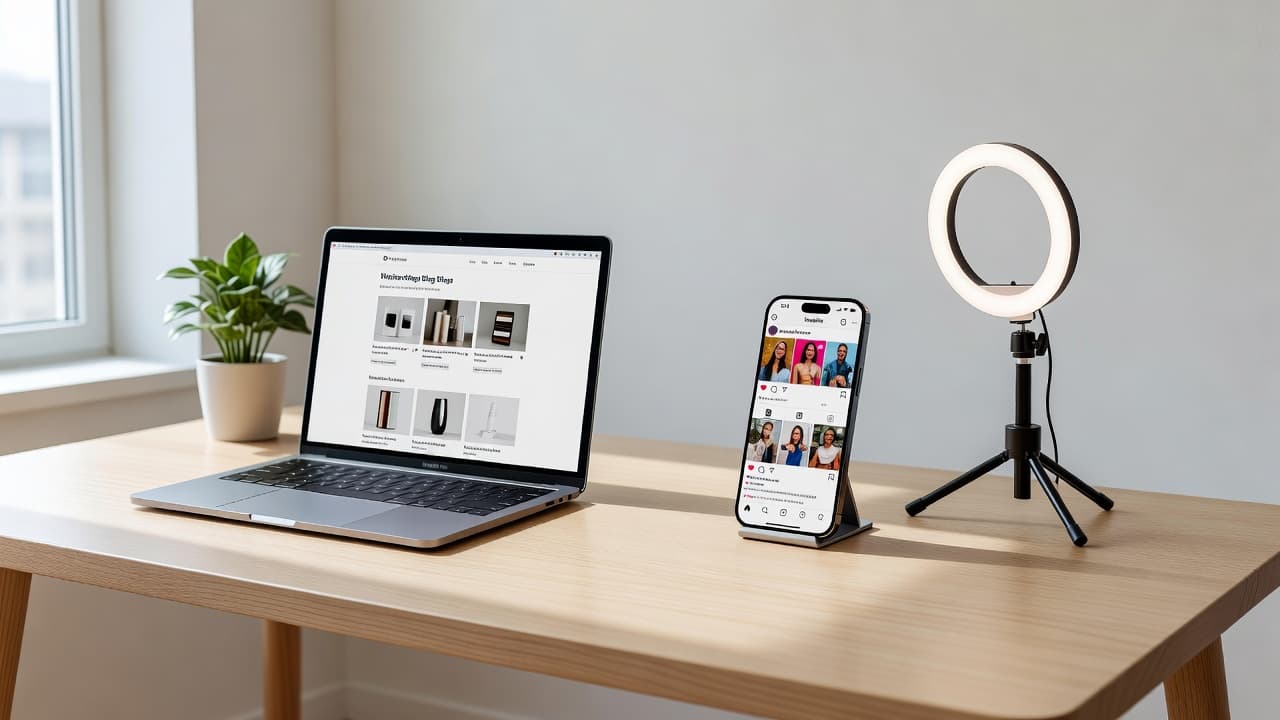
A website is often the best starting point if you want to build SEO traffic that can keep working after you publish. Review posts, tutorials, and comparison articles can rank in search results for months or even years, which makes them a strong fit for affiliate content.
That matters because buyers search with intent. Someone looking for "best email marketing tool" or "product A vs product B" is already close to a decision, and a well-structured article can guide that choice. A site also gives you control over your layout, your links, your email capture, and your brand.
A simple setup is enough to begin:
- Domain: Pick a clear, easy-to-remember name.
- Hosting: Use a basic hosting plan that loads quickly.
- Theme: Choose a clean theme that makes posts easy to read on mobile.
For a site to pay off, keep it focused. Publish helpful content around one niche, then add internal links between reviews, comparisons, and beginner guides. If you want a deeper look at site-based affiliate publishing, affiliate marketing vs social media marketing gives a useful side-by-side view.
A website is slower to grow at first, but it gives you more control over traffic, tracking, and content ownership.
When YouTube or social media may be easier
If you feel more natural on camera, YouTube or social media can be the easier first step. Short demos, product walkthroughs, and simple "here's how I use it" clips help people trust you faster because they can see the product in action.
That works especially well for beginners who do not want to write long articles right away. A 2-minute video reviewing one tool, or a short Instagram or TikTok clip showing a before-and-after result, can bring attention much faster than a new website with no traffic.
These platforms also fit beginners who want to test ideas before building a full site. You can post a few videos, see which topics get clicks, and then turn the winners into blog posts later. The free Affiliate Marketing full course on GalaxyonKnowledge is a good place to learn the basics while you build.
A few platform strengths stand out:
- YouTube works well for search-based content, product reviews, and tutorials.
- Instagram is useful for quick trust-building, lifestyle content, and direct messages.
- Pinterest can help with visual niches like home, fashion, and planning.
- Short-form video is strong when you can show results fast.
If you want a practical path, start with one platform and one content format. You can always expand later, but a focused start makes it easier to publish without stalling. For many beginners, that first post or video is the real breakthrough.
Find affiliate programs that fit your niche and payout goals
The best affiliate program for a beginner is the one that matches your topic, your audience, and the income you want to reach. A program can look attractive on paper, but if the payout is tiny, the cookie is short, or the approval rules are strict, it may not fit your plan.

If you are still asking, "How do I start affiliate marketing as a beginner?", this is where the money side starts to matter. Learn the Free Affiliate Marketing Course at the GalaxyonKnowledge YouTube Channel. It's perfectly free for everyone.
What to compare before you join a program
Start with the commission rate, because it tells you how much you earn per sale. Then compare whether the program pays recurring commissions or a one-time payout, because that changes how quickly your efforts can stack up.
A few programs also give you a cookie window, which is the amount of time after a click that you can still get credit for a sale. A longer cookie is better when buyers take time to decide. Approval rules matter too, since some programs accept almost anyone while others want an established site, a certain traffic level, or a content review before they let you in.
Payment methods are just as important. Check whether the program pays through bank transfer, PayPal, or another method you already use, and confirm the minimum payout threshold so you know how fast money can reach you.
A simple comparison checklist looks like this:
- Commission rate: How much you earn per referral.
- Payout type: Recurring income or a single sale payment.
- Cookie window: How long a click stays credited to you.
- Approval rules: Who gets accepted and what they require.
- Payment method: How you get paid and how often.
For a closer look at common program structures, Post Affiliate Pro's beginner guide and MGID's affiliate program overview both give useful examples of what to compare.
A high commission rate means little if the program is hard to join or slow to pay.
Why high-ticket and recurring commissions matter
High-ticket and recurring offers make your time work harder. If you earn $100 on one sale instead of $5, you need far fewer conversions to hit your goals. That is why software, subscriptions, and online tools often fit beginners who want to reach targets like $100 a day without chasing huge traffic numbers.
Software affiliate programs often pay more because the margins are stronger. In many cases, SaaS and digital products pay around 20% to 30%, and some top programs go higher. Physical products usually pay less, often in the 3% to 10% range, so you may need a lot more sales to get the same result.
Recurring commissions can be even better. If a customer stays subscribed for months, you can keep getting paid from one referral instead of starting over each time. That makes your content more valuable, especially when you promote tools people use for a long time.
This matters whether you want to make $30 daily or build toward a larger monthly target. A single sale from a good software offer can cover what several low-paying product sales would have earned. For many beginners, that is the difference between slow progress and a real path to income.
If you are wondering which affiliate pays more, the answer is usually the same: digital products and software tend to pay more per sale, while recurring plans can pay more over time. That is the kind of math that helps a beginner choose smarter, not just faster.
Create content that helps people decide, not just click
Affiliate content works best when it answers a buying question. If your post only pushes a link, readers leave unsure. If it helps them compare, judge, and choose, the click feels natural because the decision is already made.
That is the difference between traffic and sales. Beginners often chase clicks, but buyers want clarity. Give them a reason to trust your recommendation, and the affiliate link becomes the final step, not the main event.

Some content formats do a better job of helping people choose. Product reviews work well because they answer the big question, "Is this worth it?" Keep them honest, practical, and specific. Mention who the product is for, where it falls short, and what stands out after real use.
Best-of lists are great when readers want a shortlist. Articles like "best email tools for beginners" or "top budget microphones" help people compare options fast, which is perfect when they feel overwhelmed.
Comparison posts are even stronger for decision-making. Side-by-side breakdowns of features, price, ease of use, and support make it easier for the reader to see a clear winner. For broader guidance on content structure, Jasper's affiliate content strategy breaks down the basics of high-converting formats.
Tutorials also convert well because they show the product in action. A setup guide or "how to use" post builds confidence before the reader buys.
Case studies add proof. If you can show results, lessons learned, or a real workflow, readers see the product as useful, not just popular.
Recommendation pages work when you want a simple, evergreen page that points people to your top picks. They are clean, direct, and easy to update.
Where to place affiliate links so they feel natural
Affiliate links work best when they fit the reading flow. Place one near the top when the reader already knows what they want, then add others in the middle where a product or tool gets discussed in context. Finish with a clear call to action at the end, where the reader is ready to decide.
Buttons, tables, and text links all have a place. Buttons work well near strong recommendations, tables help when you compare multiple products, and text links feel natural inside a helpful paragraph. The goal is simple, the link should feel like the next step, not a hard sell.
A clean placement pattern looks like this:
- Top of the post for readers who want a quick answer.
- Middle of the post when the product is explained or compared.
- End of the post when you want one clear action.
If you want a deeper look at content that converts, this affiliate content guide gives a useful starting point. Keep the promise of the post front and center, and the links will work harder because they arrive after trust is built.